
Bible Problems
You'll run into some if you actually study it

I’d like to tip my hat to the many of you who have started a Bible reading schedule that will get you from Genesis to Revelation in a year. It’s a noble endeavor to discipline yourself to read Scripture every day. Though I, myself, don’t enjoy these reading plans (a post for another day), I have nothing but respect for those who begin and accomplish this feat.
With that said, allow me to offer you a word of warning: Reading the Bible can prove distressing. You won’t finish the very first book in the Bible’s library before coming across rape, incest, murder, con artists, sibling rivalry, adultery, and the complete destruction of the entire world.
Happy New Year, by the way.

The problems in the Bible are the best and worst thing about reading the Bible. By best, I mean that the Bible doesn’t shy away from the issues in our broken world. By worst, the broken people in our broken world have a way of taking the Bible’s approach to the hard things and skewing it to discredit the Bible and even God Himself.
For example, perhaps you’ve heard this argument:
God told the nation of Israel to destroy entire people groups, including children. Therefore, God cannot be the God of love and acceptance.
or
If God’s idea for marriage is one man/one woman, then why do so many people in Scripture have multiple wives?
Over the next few weeks, let’s tackle some of the most difficult problems you might face when reading Scripture. We’ll look at issues like slavery, genocide, polygamy, injustice, and more. We’ll learn to ask better questions of the text (and ourselves) as we come across difficult passages. We’ll look at Jesus’ response to these controversial issues in the Gospel accounts. Finally, we’ll consider how followers of Jesus are called to respond to others object to God’s Word.
Move Towards
Here are some general principles to consider as we explore hard things in Scripture:
Embrace Humility: Let’s face it—we’re not that great. As a people group living in America in the year 2025, we can tend to believe that we’re the most evolved, most wise, most advanced and gifted society that ever walked the earth. The truth is, our values and ideas of justice, morality, and equality are largely shaped by cultures (and Christians!) who came before us. We don’t own the corner market on wisdom and understanding. It is a mistake to read the Bible as if it were written to us.
Context is King: The Bible was written to a small, oppressed, exiled, ancient people group from an Eastern part of the world. We have little to no context or knowledge of this culture built into our Western minds. Any time we read any section of Scripture, we must take the historical context into account.
Become a Student: If you are working through a reading plan that takes you through the Bible in a year, don’t see this as something to check off your list. It’s a dangerous thing to become a casual Bible reader, if you intend to read the Bible well. Just because a difficult issue turns up in Scripture doesn’t mean God condones it. We must do some homework to help us understand what’s happening. We must move towards the distressing issue, not away.
Becoming Talmidim
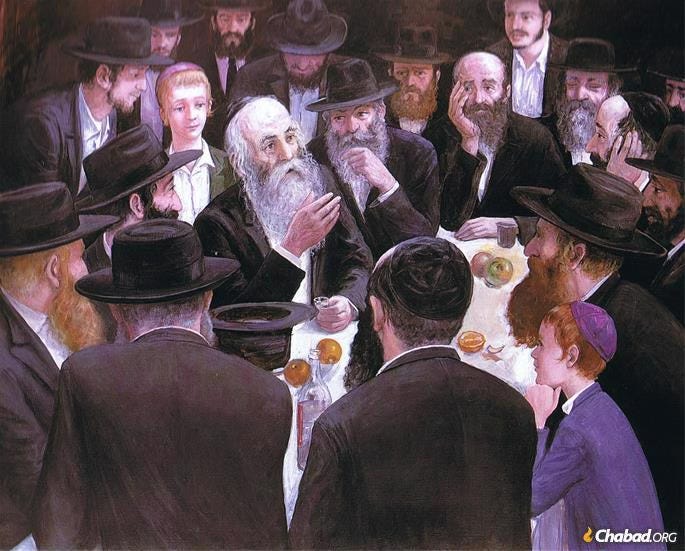
The Jewish people have a term for a student of Scripture: Talmid. In Hebrew, “talmid” means “disciple.” These students would attach themselves to a rabbi for the purpose of learning from them. In this relationship, the talmid would not just study Scripture under their rabbi for a few hours each day, but would live life alongside of him. The goal of the talmid was to emulate every aspect of the life of the rabbi, from sunup to sun down, sometimes for several years. The talmidim under Jesus included the likes of Peter, James, and John. They left their livelihoods to follow Jesus for three years.

While it might not be realistic for every follower of Jesus to quit their jobs to study Scripture for years at a time, there’s something profound for us to consider in this. If we endeavor to study God’s Word, this pursuit must inevitably shape every aspect of our lives. God designed His Word as meditative literature, and it’s meant to be considered, pondered, and mulled over, all throughout the day and night.
Psalm 1:1-2
Blessed is the man
who walks not in the counsel of the wicked,
nor stands in the way of sinners,
nor sits in the seat of scoffers;
but his delight is in the law of the Lord,
and on his law he meditates day and night
So, let’s not be afraid to ask the hard questions, to walk with issues that aren’t easily answerable, and to hold mystery without anxiety. We rest on a foundation of the goodness of God. Start making your list of uncomfortable Bible encounters, and let’s tackle them together.